
Dialectical thinking (for times like these)
The Saint Paul Parks and Recreation department sent me a timely reminder.

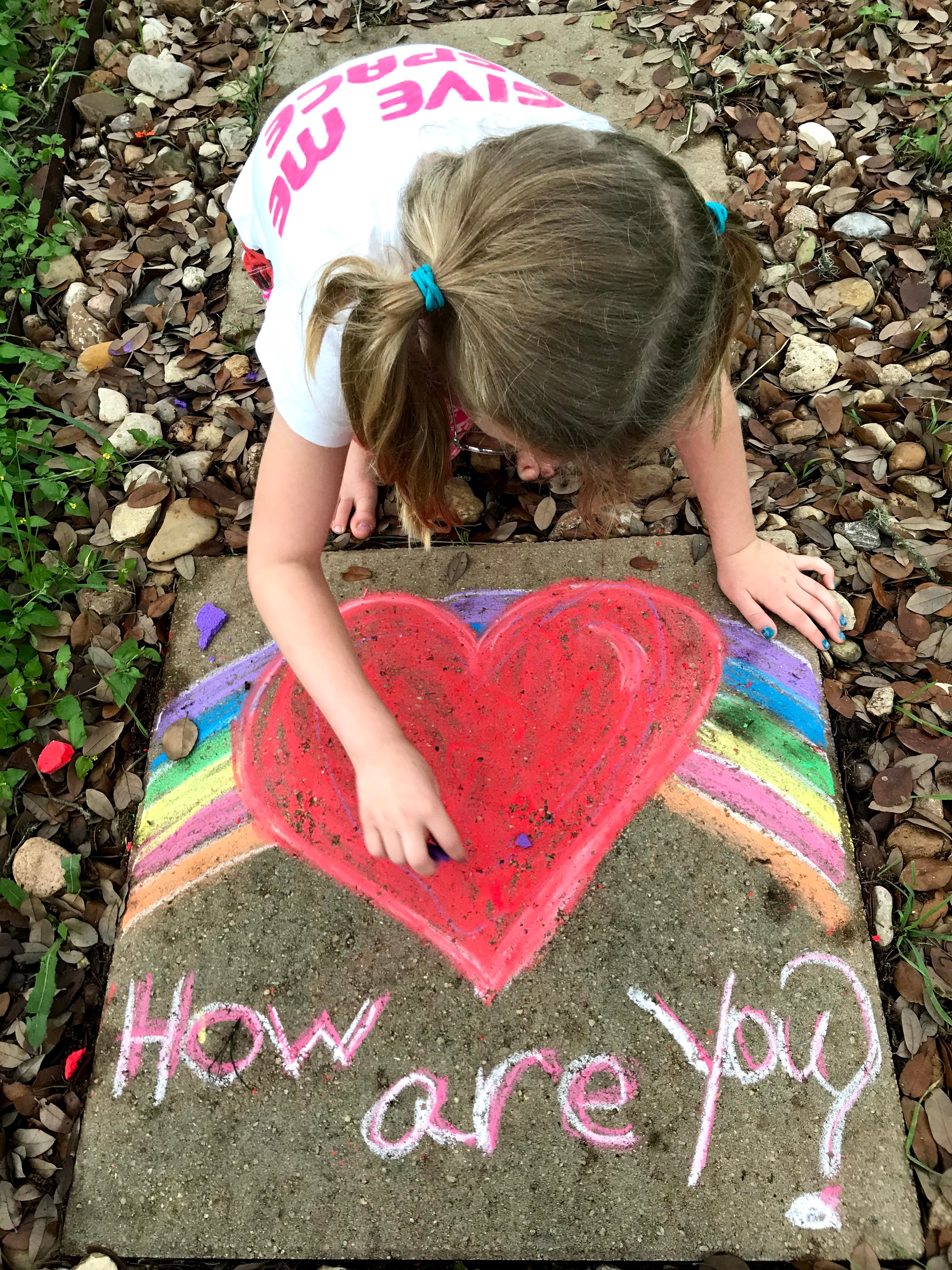
Hi cacti,
This Christmas, during a visit to my husband’s family in the Twin Cities, I couldn’t help but notice the tension. Across town, people had hung flyers in the windows warning about ICE. Small businesses set out postcards titled “Know Your Rights.” One house in Minneapolis even had a big sign that said ALL COPS ARE ASSHOLES, a bold if reckless way to express frustration in this day and age.
Dropping in and out of the city for just a week, I didn’t fully understand how unsafe the local citizenry was feeling—but now I do. Now we all do. Good god.
As things escalate, it’s been hard to know how to think or feel or act. If you’re already carrying a heavy burden—perhaps from caregiving, financial stress, or health or family issues—being told to do more can feel like just another guilt trip. Where does self-care fit in, when it’s already at the bottom of the list? Or am I an asshole for even thinking that?
Of all things, the Facebook algorithm helped me process these conflicting feelings, by showing me a post from the Saint Paul Parks and Recreation department. I can’t embed the post, so here’s the text, which they shared with a picture of the frozen Mississippi River:
Dialectics is the concept that opposing things can be true simultaneously. We can be living in unprecedented times, and have familiar routines that keep us grounded. We can feel sad or angry while still caring deeply. The sun can be shining but the air can be frigid.
We share this with you as a reminder that everything is changing all around us. Nothing is permanent, and there is motion in stillness, even if we can’t feel it.
This week is going to be dangerously cold, so we don’t actually recommend going outside unless you have to. Rather, we suggest turning inward and checking in with yourself. How are you in this moment? Do you feel stuck, helpless, unsettled, or something else entirely? Perhaps you feel a variety of conflicting emotions, which is totally normal by the way.
Our bodies hold onto unpleasant emotions until we are safe enough to release them. If you are able and ready, try this: Put a hand on your belly and take a deep inhale through your nose for a count of 6. Then, exhale through your mouth as you feel your diaphragm push the air out of you and into the world for a count of 8 seconds. Do it again. Inhale every bit of love and hope within reach, and then exhale every last bit of stale and negative energy that has been holding you down. Do this until you feel cleansed of the hard stuff, and notice how it feels in to be in your body with new energy.
We love you Saint Paul. Stay strong, take breaks when you need them, and ask for help when you need it. Remember that you can always return to your breath when you need to reset.
Dialectical behavior therapy: Both things can be true
It’s a powerful reminder. You can care about what’s happening and also admit that your capacity to care is limited. That it’s time for a long walk and a deep breath. Or binge-watching Murderbot. You do you.
That doesn’t make you a bad person, just human.
I learned about dialectical thinking from a past therapist, who at times would have to remind me that two conflicting or opposing things can coexist at the same time, which is one aspect of dialectical behavior therapy.
As in: I can love my mother and also need to keep my distance from her. As in: I can feel guilt about this necessity while also knowing it’s the best decision for me. As in: I can hold all these thoughts simultaneously, not assigning one “right” or “wrong,” or “true” or “false.”
Way more complex than ‘always’ or ‘never’
Since then, I’ve embraced and used dialectical thinking in my approach to life, including parenting (or I try to). Whenever my daughter does something that upsets me, it is SO tempting to say “You always do x!” or “you never do y!”, aka, “adverbs of frequency.” But it’s important to remember: It’s rarely that simple (notice I didn’t say “never!”)
For example, when she makes a mess in the kitchen. While it can feel like she “always” makes a mess, the truth is there are times she has left the kitchen clean. And when she does make a mess, it usually means a “good” thing has happened, like she’s cooking for herself, gaining a new level of independency.
We all have competing needs and conflicting emotions
Right now, it’s very easy to slip into negative thinking and fear, because what’s happening is insanely scary. On top of all that, many people are telling us how we SHOULD think, often in polarized ways, suggesting there is a right or wrong way to look at what’s happening, and we’re “failures” if we don’t keep up. Plus throw in all the misinformation and AI fakery. No wonder you feel bad about trying to feel good!
But you don’t have to choose pure happiness, you can choose—even embrace—contradiction: “I feel worried about the world, but I also can take breaks from that worry. This makes me neither bad or good, just a human with a nervous system that has its own unique limits.”
More:
Open-Minded Thinking (with worksheets)
The Art of Holding Two Truths: Learning Dialectical Thinking for Everyday Life
or you can
I'm terrible at this. Indeed, if I look inward to check on myself, all I can think of these days is the offshore garbage dumps that New York TV cops sometimes have to sort through for evidence. And then a seagull shits on them. I am consumed by the horrors of our day, so relentlessly angry about it that it monolithically colors everything a dark winter gray. Thanks for the reminder that there are other ways to look at it all, or at least become capable of processing it. (Just as I write this comes an afib flutter.)
Excellent reminder that positive and negative conditions can coexist in life. Perfect for the situation we're dealing with now.